


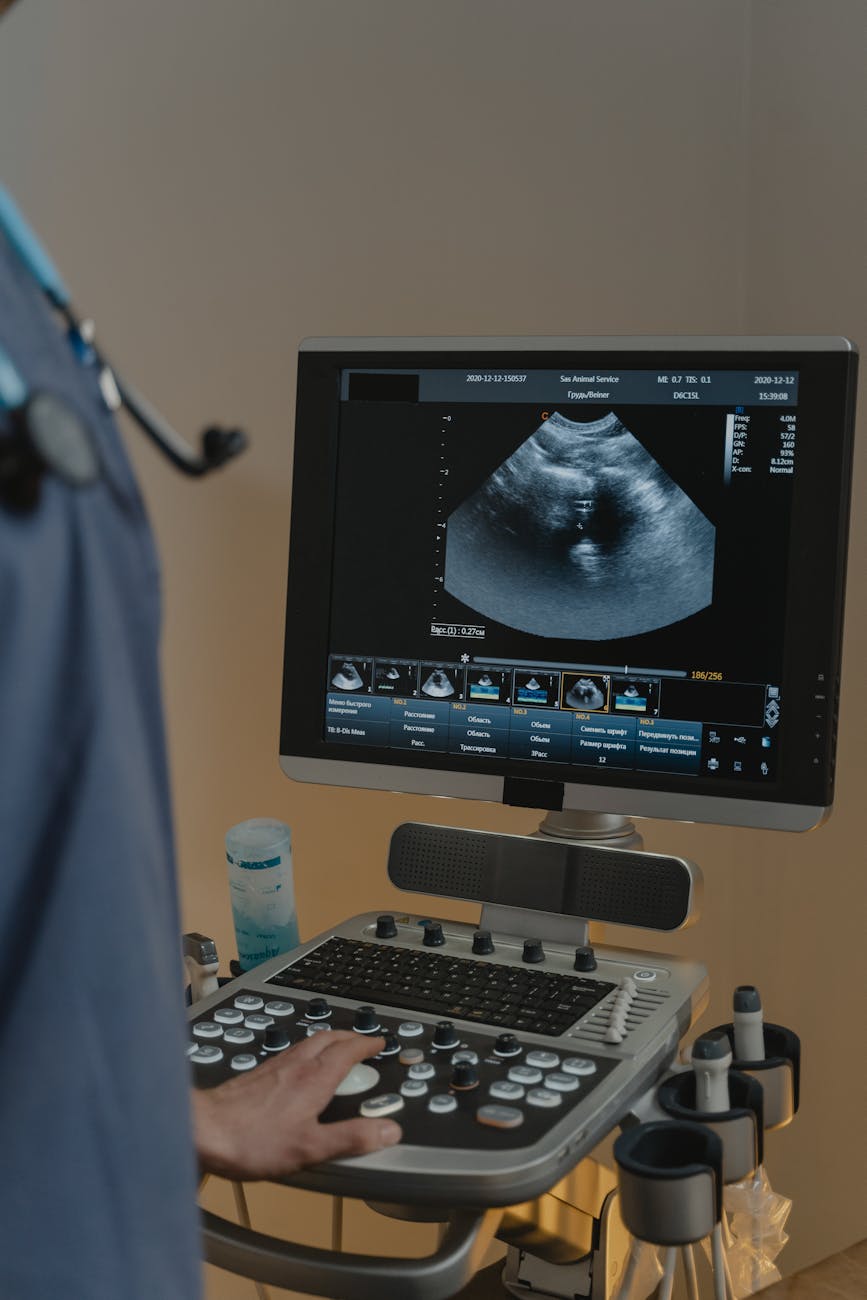
Hospitals and pediatric specialists are placing renewed emphasis on cardiovascular screening for children. This highlights the growing importance of early detection in preventing potentially life-threatening heart conditions. According to specialists at Hospiten, pediatric heart evaluations can identify hidden disorders long before symptoms become severe.
The initiative comes as Hospiten Rambla University Hospital, alongside Bellevue and Sur University Hospitals in Tenerife, launches a dedicated Pediatric Cardiology Unit aimed at improving access to specialized care for children across the island. The program is led by pediatric cardiologists Dr. Carlos Rubio-Iglesias and Dr. Javier Fernandez Sarabia. Both share experience in diagnosing and managing cardiovascular diseases in children.
Dr. Rubio-Iglesias stressed that cardiovascular screening in childhood is essential because many cardiac conditions can remain undetected for years. Disorders such as hypertrophic cardiomyopathy, arrhythmogenic cardiomyopathy, and abnormalities in coronary artery structure may not present obvious symptoms during early development.
Medical experts say early screening can significantly reduce risks by identifying warning signs before complications emerge. Congenital heart defects are among the most common birth abnormalities worldwide, affecting approximately one percent of newborns. Timely diagnosis often improves survival rates and long-term quality of life.
Specialists typically use non-invasive tools such as electrocardiograms, echocardiograms, blood pressure monitoring, and pulse oximetry tests to evaluate heart health in children. Many of these procedures can be performed quickly and painlessly during routine medical visits. Researchers and healthcare providers continue to explore advanced technologies. These include AI-assisted ECG interpretation and wearable monitoring systems, to strengthen early detection strategies.
Healthcare organizations worldwide have increasingly promoted preventive pediatric cardiology as awareness grows around hidden cardiovascular risks in children and adolescents. Experts note that participation in competitive sports, family history of heart disease, unexplained fainting episodes, chest pain, or shortness of breath may justify further cardiac evaluation.
The new pediatric cardiology initiative in Tenerife reflects a broader shift toward preventive healthcare. With it, early intervention is viewed as critical to reducing future medical complications and improving patient outcomes. Physicians in the program hope expanded access will encourage families to prioritize cardiovascular checkups as part of routine pediatric care.
Leave a Reply